by janetlombardo | Jan 4, 2026 | Blog Post

When people picture human trafficking, they often imagine a stranger lurking in a dark corner, waiting to snatch someone away. It’s a dramatic image—and one of the most persistent misconceptions preventing communities from recognizing trafficking when it’s actually happening.
In reality, traffickers are rarely strangers. More often, they are people a survivor already knows and trusts. In Northern Nevada, where communities are tight‑knit and relationships overlap across schools, workplaces, and neighborhoods, this truth is especially important to understand.
Traffickers Are Often Hiding in Plain Sight
Across the region—from Reno and Sparks to rural counties stretching toward the state line—survivors frequently report that their trafficker was someone familiar. These individuals may be:
- Romantic partners or spouses who slowly gain control through manipulation, isolation, or financial dependence
- Peers or classmates who recruit through friendship, shared experiences, or promises of belonging
- Family members or caregivers who exploit trust, access, or authority
- Coworkers or supervisors who use power dynamics to coerce
- Neighbors, coaches, or community acquaintances who appear helpful or charismatic on the surface
This familiarity is precisely what makes trafficking so difficult to recognize. When the trafficker is someone woven into daily life, their behavior can be dismissed as “a rough relationship,” “a family issue,” or “a kid hanging out with the wrong crowd.” In Northern Nevada, where people often pride themselves on minding their own business, these assumptions can allow exploitation to continue unnoticed.
How Traffickers Recruit in Northern Nevada
Recruitment rarely begins with force. Instead, traffickers use psychological tactics that feel like care, attention, or opportunity—especially for youth and vulnerable adults. Common recruitment strategies seen across Northern Nevada include:
Building Trust and Emotional Dependency
Traffickers may present themselves as protectors, romantic interests, or mentors. They offer affection, gifts, or stability—then slowly shift into control.
- Exploiting Basic Needs
Housing insecurity, food instability, and lack of transportation are real challenges in parts of Northern Nevada. Traffickers often step in with “help” that becomes leverage.
- Targeting Youth Online
With many young people in the region spending hours on social media or gaming platforms, traffickers use digital spaces to build relationships, gather personal information, and groom.
- Offering Work or Financial Promises
Seasonal jobs, hospitality work, and gig‑based opportunities can be used as recruitment fronts. Traffickers may promise quick money, modeling gigs, or travel.
- Using Peer Recruitment
Youth are often recruited by other youth—classmates, teammates, or friends who are being exploited themselves and pressured to bring others in.
Red Flags That Often Hide in Plain Sight
Because traffickers blend into everyday life, the warning signs are often subtle. Community members in Northern Nevada can watch for:
- Sudden changes in behavior, relationships, or friend groups
- A new “partner” or “friend” who is significantly older or overly involved
- Unexplained gifts, money, or hotel stays
- Signs of isolation—being cut off from family, school, or activities
- Someone speaking for the person or controlling their movements
- Youth who seem exhausted, fearful, or unable to explain where they’ve been
- Individuals who appear coached, monitored, or anxious about displeasing someone
These signs don’t confirm trafficking, but they signal that something may be wrong—and that someone may need support.
Why Early Identification Matters in Northern Nevada
Northern Nevada has strong community networks, dedicated service providers, and trusted safe homes. But survivors can only access these resources when someone recognizes the signs early and takes action.
When communities understand who traffickers really are—and how they operate—survivors are seen sooner. They can be connected to:
- Safe homes and emergency shelter
- Long‑term care and trauma‑informed services
- Advocacy and legal support
- Education, employment, and stability resources
Early identification doesn’t just interrupt exploitation. It restores dignity, safety, and hope.
A Call to Northern Nevada
Human trafficking is not a distant issue. It’s here—in our schools, workplaces, neighborhoods, and online spaces. But so is our power to respond.
By learning the realities of who traffickers are, recognizing the red flags, and trusting our instincts when something feels off, Northern Nevada can continue building a community where survivors are believed, supported, and never left unseen.
For more information visit ht-prevention.org or contact HTPA at info@ht-prevention.org
by janetlombardo | Jun 5, 2025 | Press Release
FOR IMMEDIATE RELEASE
Human Trafficking Prevention Alliance Enters Strategic Co-Branding Agreement with DHS Know2Protect® Campaign
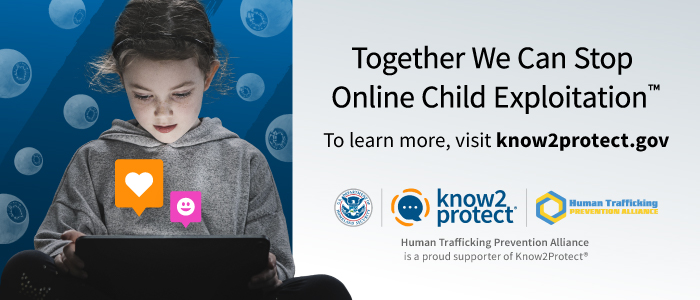
Sparks, NV — June 1, 2025 — The Human Trafficking Prevention Alliance (HTPA) is proud to announce a new co-branding agreement with the U.S. Department of Homeland Security’s (DHS) Know2Protect Campaign, marking a significant milestone in the fight against online child exploitation and human trafficking.
Through this agreement, HTPA is authorized to use the Know2Protect Campaign’s educational materials and visual assets, including the right to copy, display, and distribute official campaign materials containing the DHS Seal and various Know2Protect Campaign Trademarks. This collaboration empowers HTPA to amplify its outreach and educational efforts with trusted, government-backed resources that are proven to raise awareness and drive action.
“This collaborative opportunity represents a powerful alignment of mission and message,” said Janet Lombardo, Founder and CEO of HTPA. “By integrating Know2Protect’s authoritative materials into our programming, we can expand our impact and better equip communities to recognize, resist, and report online child sexual exploitation and abuse, as well as human trafficking.”
“Support and collaboration with organizations like the Human Trafficking Prevention Alliance and communities across the country are absolutely critical to our mission,” said Kate Kennedy, Know2Protect campaign director. “By working together, we can raise awareness, share trusted tools, and empower more families to protect children and teens from online threats. It takes all of us to build a safer digital world for the next generation.”
The license, authorized under DHS Delegation Number 10001 § II(B)(8) (April 28, 2014), and pursuant to 6 U.S.C. § 181 et seq., allows HTPA to use Know2Protect campaign materials under specific guidelines. As a formal supporter of the campaign, HTPA is committed to upholding the integrity and standards associated with the use of these materials and the Government Visual Identities.
The Know2Protect campaign is a national initiative designed to educate youth, caregivers, and trusted adults about online safety and the risks of exploitation. By joining forces, HTPA and DHS aim to extend the reach of this critical message and foster safer communities across the country.
For more information about HTPA’s programs and its collaboration with Know2Protect, please visit ht-prevention.org. For announcements on the release of HTPA-Know2Protect cobranded educational materials, follow HTPA on X at @HTPAlliance.
by janetlombardo | Oct 5, 2024 | Blog Post
As Generative AI continues to advance, we are confronted with an insidious threat: financial sextortion. This modern exploitation leverages AI’s capabilities to manipulate and extort individuals, posing serious ethical and financial risks. The ease of creating deepfakes has also led to an increase in cyberbullying. Victims, many children, are targeted with fake videos or images, leading to harassment, social isolation, depression and fear. Many children will never disclose these crimes out of fear of not being believed, even though the images or videos are fake.
More than ever our children, parents and caregivers must be equipped with skills to deal with online threats. We must take action by reducing the barriers so children feel they can go to a trust adult and ask for help. They need to know it is not their fault. As a community education partner with NCMEC, HTPA is equipped to provide age-appropriate education that will empower our youth to know how to respond to online blackmail and other forms of online exploitation.
In addition to education, we at HTPA are advocating for safer laws. We believe we can all do something to eradicate online exploitation. Join us in this fight: get educated, become a Champion of Change. #endchildexploitation
by janetlombardo | Sep 19, 2024 | Press Release
Press Release
For Immediate Release
HTPA ANNOUNCES PARTNERSHIP WITH NCMEC TO LAUNCH COMMUNITY EDUCATION PROGRAM
Sparks, NV – September 19, 2024 – The Human Trafficking Prevention Alliance (HTPA) is proud to announce a new partnership with the National Center for Missing & Exploited Children (NCMEC). HTPA has joined the NCMEC Community Education Program aimed at providing age-appropriate prevention and safety programming to Northern Nevada. This initiative will also offer vital services and support to families, the public, law enforcement, and other professionals.
The Community Education Program is designed to:
- Reduce Child Sexual Exploitation: Implementing educational programs that teach children and families about the dangers of exploitation and how to stay safe.
- Prevent Future Victimization: Providing ongoing support and resources to prevent children from becoming victims of trafficking and exploitation.
“We are thrilled to partner with NCMEC to expand our efforts in protecting children and supporting families,” said Janet Lombardo, Founder and CEO at HTPA. “This collaboration will enhance our ability to educate the community and provide critical resources to those in need.”
NCMEC has been a leader in child protection for over 30 years, and this partnership will leverage their expertise and resources to further HTPA’s mission of preventing human trafficking and child exploitation.
For more information about the Community Education Program or to get involved, please visit ht-prevention.org or contact info@ht-prevention.org.
For more information on the National Center for Missing & Exploited Children please visit https://www.missingkids.org/
About HTPA
The Human Trafficking Prevention Alliance (HTPA) is a non-profit organization dedicated to preventing human trafficking and child exploitation through education, advocacy, and support services. Our mission is to create a safer world for children and families.
by janetlombardo | Feb 17, 2024 | Blog Post
Protecting Our Children in the Digital Age: Safeguarding from Online Predators
by Janet Lombardo
Founder, CEO – HTPA
Executive Summary:
The internet offers immense opportunities for children, but it also harbors hidden dangers. Predatory individuals may exploit children online through various means, including child sexual abuse material (CSAM), child exploitation, and sextortion. This whitepaper aims to equip parents with the knowledge and tools to effectively safeguard their children from such threats. It defines key terms, outlines the nature of these dangers, and presents actionable strategies for creating a safe online environment for children.
Defining the Threats:
- Child exploitation: Any act or series of acts that involve a child being used for someone else’s gain or satisfaction, including sexual, economic, or psychological exploitation.
- CSAM (Child Sexual Abuse Material): Any visual or auditory content depicting the sexual abuse of a child, including pornography, exploitation, and trafficking.
- Sextortion: Coercing someone into sexual acts or sharing explicit material by threatening to expose them or harm them.
Understanding the Predators:
Online predators often use manipulative tactics to gain children’s trust and exploit their vulnerabilities. They may create fake online personas, offer gifts or promises, and exploit emotional needs or curiosity. Recognizing these tactics is crucial to preventing victimization.
Building a Safety Net:
Open Communication: Foster open and honest conversations with your children about online safety, emphasizing trust and understanding. Create a safe space where they can freely discuss their online experiences and concerns.
Tech Savvy Parents: Familiarize yourself with the platforms your children use, understand their features and privacy settings, and set clear boundaries for their online activities.
Digital Citizenship: Educate your children about responsible online behavior, including respecting others, protecting their privacy, and avoiding sharing personal information.
Monitoring and Filtering: Consider using parental controls and monitoring tools to help filter harmful content and track online activity. However, remember that these tools are not foolproof and open communication remains paramount.
Spotting the Signs: Be aware of potential red flags like changes in behavior, secretive online activity, emotional distress, or withdrawal from family and friends.
Empowering Children:
Safety Skills: Teach your children how to identify suspicious online behavior, block unwanted contacts, and report inappropriate content. Encourage them to be critical of online information and to always prioritize their safety.
Trust and Reporting: Emphasize that they can come to you with any concerns without fear of judgment or punishment. Create a safe environment where they feel comfortable reporting suspicious activity or harmful situations.
Seeking Support:
Cybersecurity Resources: Leverage resources from law enforcement agencies, cybersecurity organizations, and child protection NGOs.
Mental Health Support: Provide access to mental health professionals if your child experiences anxiety, fear, or trauma related to online experiences.
Conclusion:
Protecting children from online predators requires a proactive and collaborative approach. By building a safe environment, cultivating open communication, and empowering children with essential skills, we can ensure that the digital world remains a place of opportunity and exploration, not of exploitation and harm.
Additional Resources:
Human Trafficking Prevention Alliance: https://www.ht-prevention.org
National Center for Missing & Exploited Children: https://www.missingkids.org/home